Presenting Sobremesa at Air351 Residency in Cascais
May 29, 2026
Cascais, Lisbon
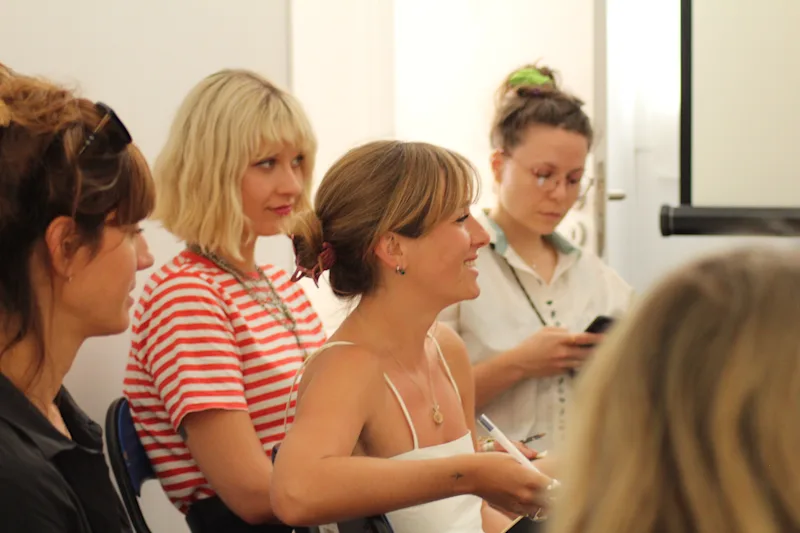
Curator and echoes residency co-founder Dela Christin Miessen got invited to the AiR351 Residency “Cosmophilosophy of the Arts. Rethinking Production” in Cascais, Portugal to speak about her practice as an independent curator and residency partner for SOBREMESA. The interactive presentation introduced the project as a transnational residency pilot on food, migration and belonging, but also opened the conversation around new models of cross-European models of collaboration, at times where European countries and Europe as a whole is closing its doors.
Over sharing a strawberry sobremesa, the presentation brought the project’s partners and their complementary areas of expertise into focus, highlighting the different skills, experiences, and capacities that shape the Sobremesa network - from design to communication strategy to research, artistic practice and residency facilitation.
The group discussion moved further to alternative cultural production and the potential of collaboration to move grassroots cultural initiatives beyond their individual capacities, without losing the flexibility and community connections that define them.
In this sense, Sobremesa was presented as a space for mutual capacity-building: a model in which different partners learn from one another, share tools and perspectives, and collectively expand what they are able to produce, research, and facilitate across contexts.
May 29, 2026
Cascais, Lisbon
Curator and echoes residency co-founder Dela Christin Miessen got invited to the AiR351 Residency “Cosmophilosophy of the Arts. Rethinking Production” in Cascais, Portugal to speak about her practice as an independent curator and residency partner for SOBREMESA. The interactive presentation introduced the project as a transnational residency pilot on food, migration and belonging, but also opened the conversation around new models of cross-European models of collaboration, at times where European countries and Europe as a whole is closing its doors.
Over sharing a strawberry sobremesa, the presentation brought the project’s partners and their complementary areas of expertise into focus, highlighting the different skills, experiences, and capacities that shape the Sobremesa network - from design to communication strategy to research, artistic practice and residency facilitation.
The group discussion moved further to alternative cultural production and the potential of collaboration to move grassroots cultural initiatives beyond their individual capacities, without losing the flexibility and community connections that define them.
In this sense, Sobremesa was presented as a space for mutual capacity-building: a model in which different partners learn from one another, share tools and perspectives, and collectively expand what they are able to produce, research, and facilitate across contexts.
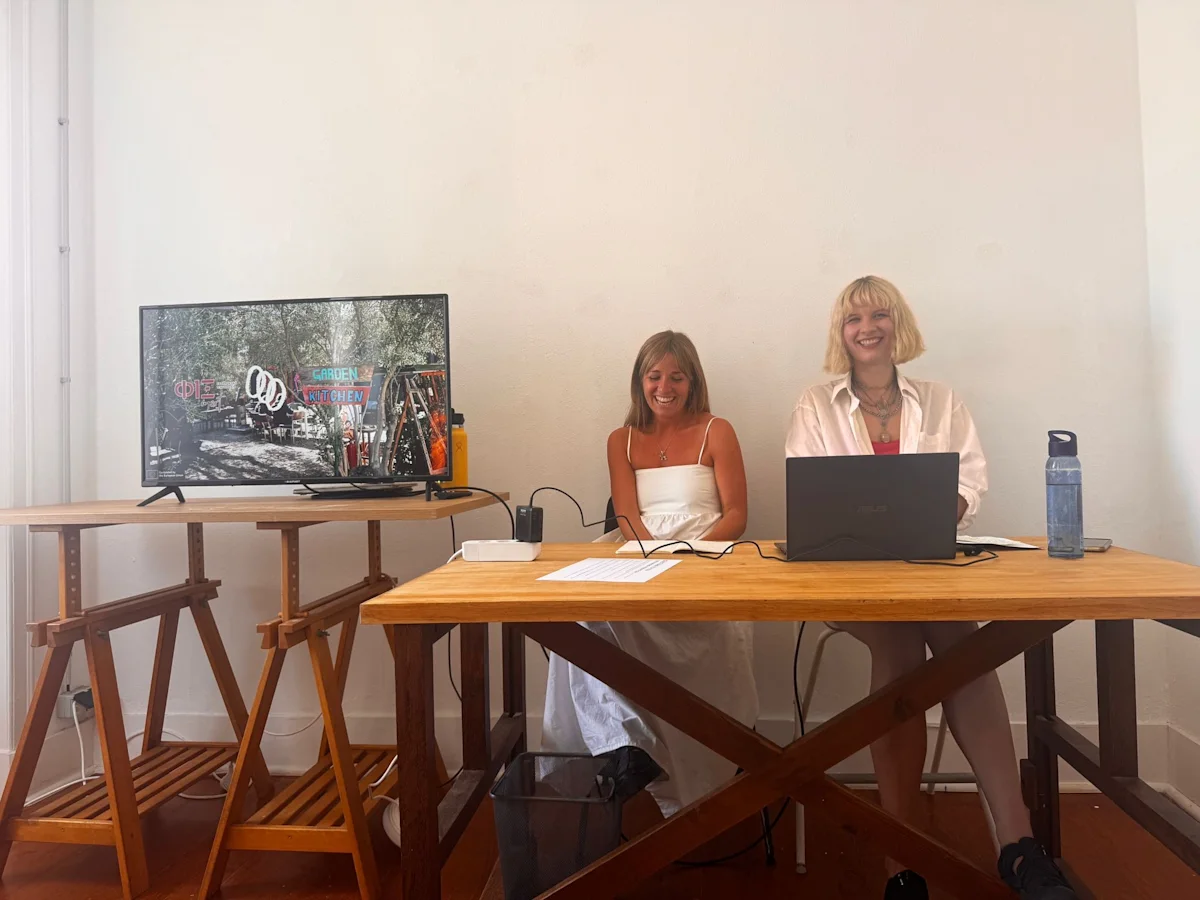
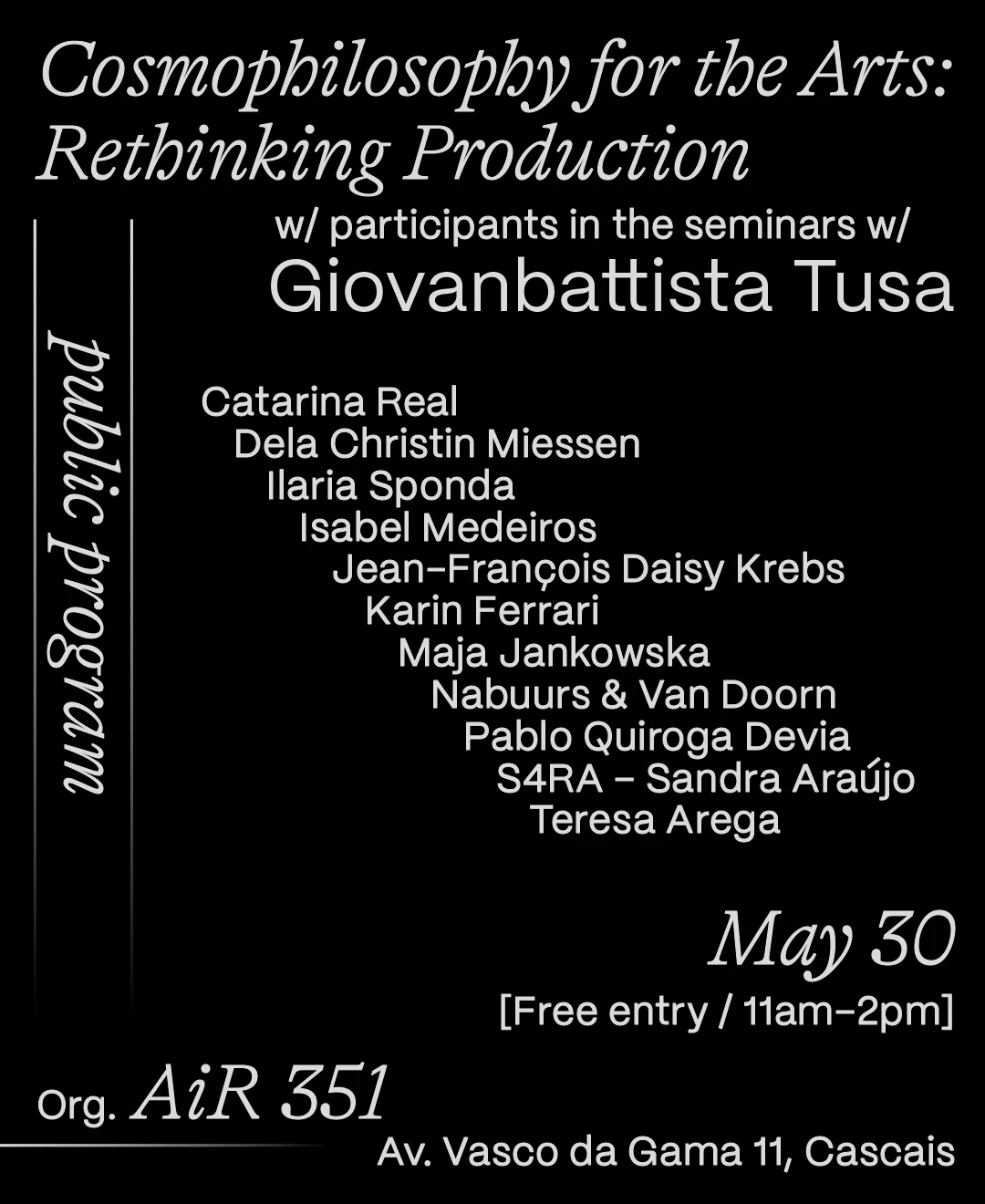
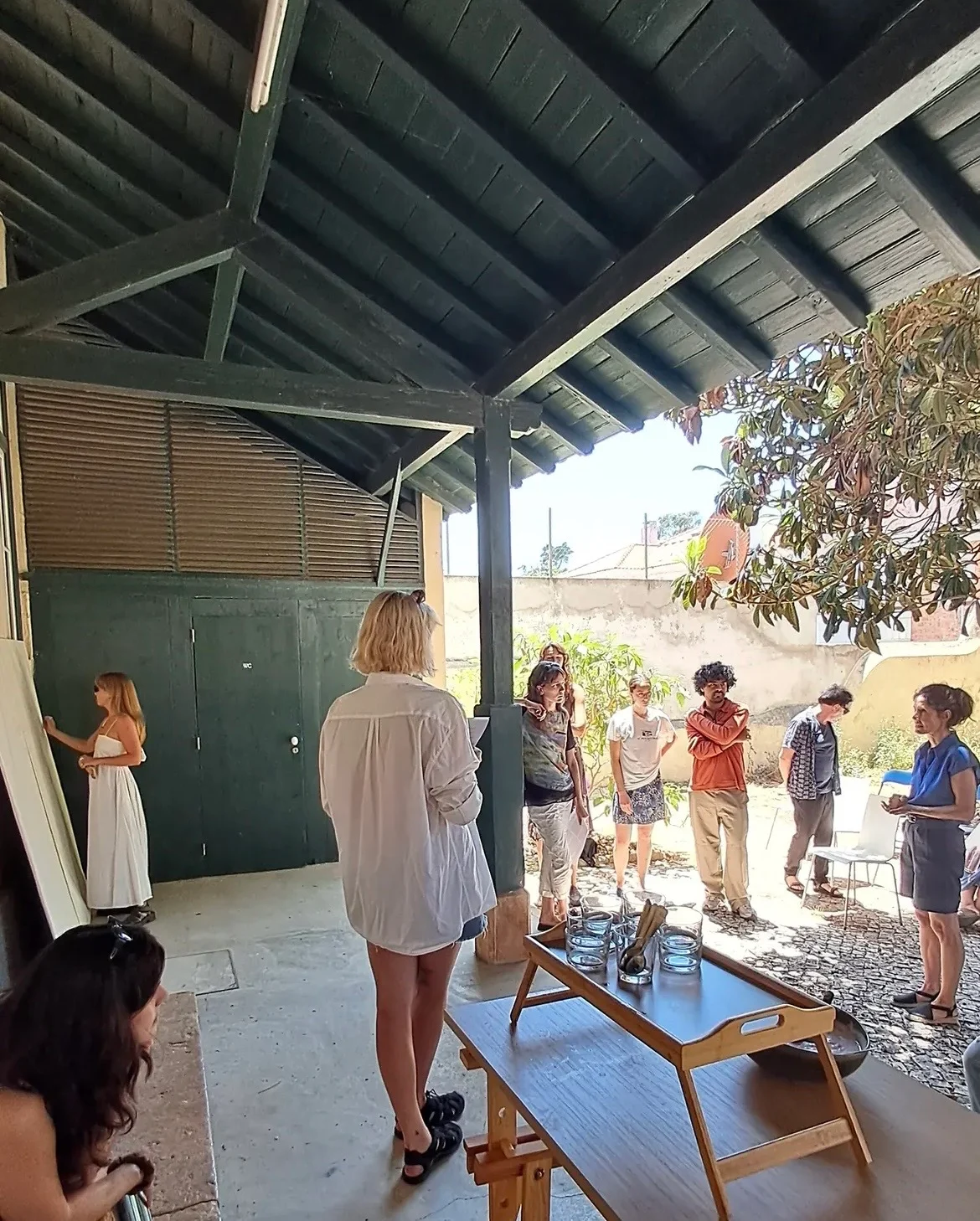
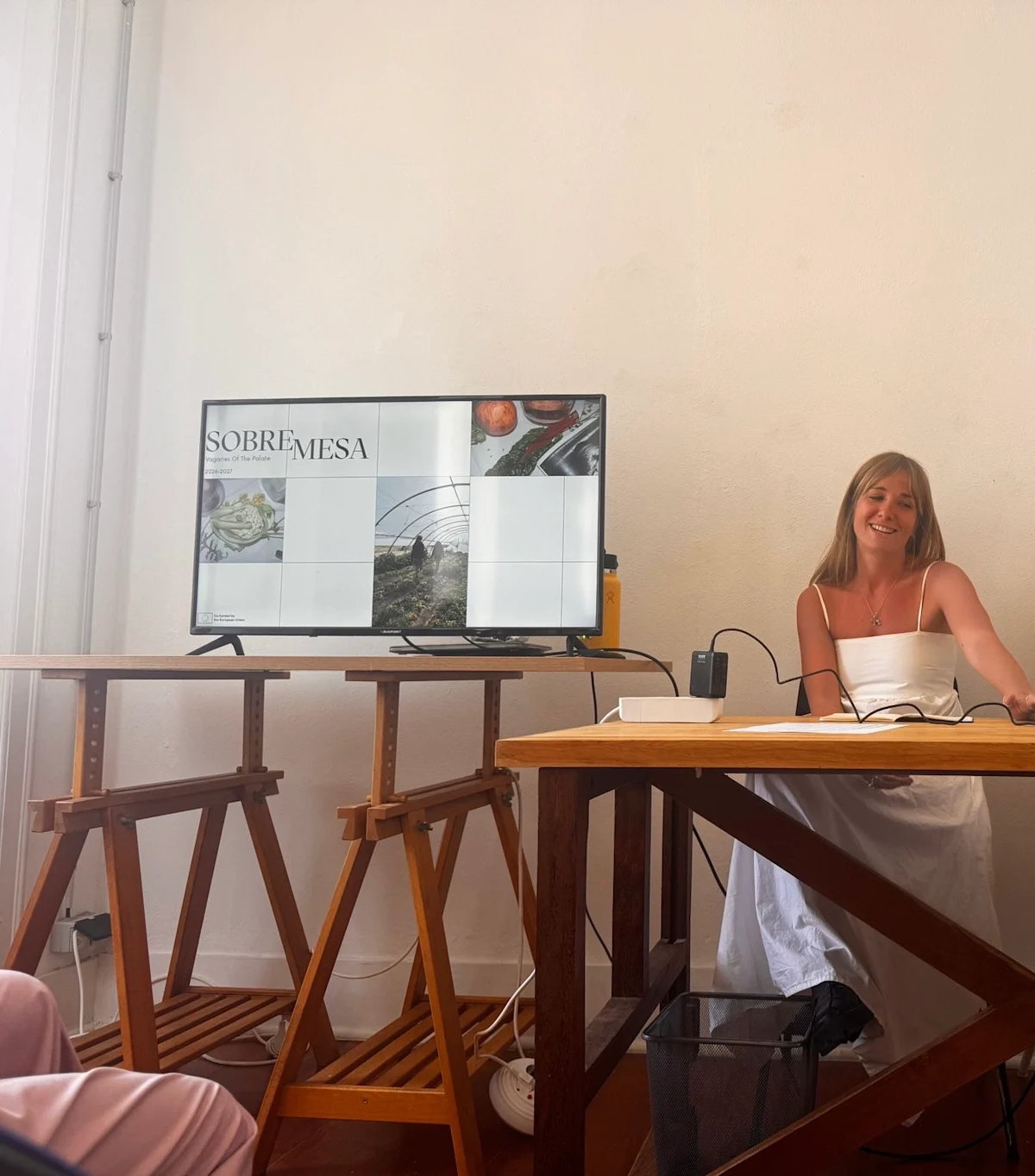
image credits: AiR351, Matej Grznár